

Every day, thousands of Aussie blokes type some version of “why does my beard itch” or “how often should I wash my beard” into Google. Most of the answers they find are either written for the UK or US market — and don’t account for the fact that Australian skin deals with far more sun, heat and dry air than a beard in London or New York ever will.
We pulled together the questions we hear most often from customers, community forums, and search trends — and answered every single one properly, with a focus on what actually works for Australian conditions.
Below is your complete FAQ, organised into five categories: growth, skin & itch, washing, products, and styling. Use the quick-answer table below to jump to what you need, or read through the full guide for the detail.
| Question | Short Answer |
|---|---|
| How long to grow a full beard? | Roughly 2–6 months for a fuller beard, depending on genetics |
| Why does my beard itch? | Usually dry skin + new hair growth, worse in Australia’s dry heat |
| How often should I wash my beard? | 2–3 times per week with a dedicated beard wash |
| Beard oil or beard balm — which first? | Oil first for hydration, balm after for hold and shape |
| Does a beard protect against sun damage? | Partially — but it’s not a substitute for sunscreen |
| Why is my beard patchy? | Mostly genetics and testosterone/DHT sensitivity in follicles |
Beard care in Australia mainly involves washing your beard 2–3 times weekly, using beard oil daily, protecting skin from UV exposure, and maintaining hydration to prevent dryness caused by Australia’s climate.
Most men see visible stubble within 2–4 weeks, but a genuinely full beard usually takes 2–6 months to fill in properly. Growth rate depends heavily on genetics, testosterone levels, age, and general health — not on how many products you use. If you’re in the early, patchy-looking stage, resist the urge to trim it back; most patchiness fills in naturally after the 8–12 week mark.
Beard hair, like scalp hair, goes through natural growth cycles, so a temporary plateau is normal. Faster explanations include stress, poor sleep, low protein intake, or simply reaching your genetic length ceiling — most beards have a maximum natural length they won’t grow past. If the slowdown is sudden and dramatic, it’s worth ruling out underlying causes like illness or hormonal changes with a GP.
No oil or balm can create new hair follicles or speed up your genetic growth rate — anyone claiming otherwise is overselling. What a good natural beard oil can do is create a healthier environment for the hair and skin underneath, which means less breakage, less shedding, and hair that looks fuller and grows in looking healthier rather than brittle.
Patchiness comes down to how sensitive your individual follicles are to DHT (a testosterone byproduct) — some areas respond more than others, which is why cheeks are often the last to fill in. It’s largely genetic and can’t be “fixed” with products, but keeping the skin well-hydrated helps existing hair look thicker and healthier while you wait it out. For a deeper breakdown of causes and styling workarounds.
See our guide on common beard problems and how to fix them.
Facial hair often has a different pigment mix to scalp hair because the follicles are genetically distinct, which is why so many brunette men have a reddish beard. Premature grey or white hairs in a beard are also common and are usually just a sign that those specific follicles are producing less melanin — it’s cosmetic, not a health concern.
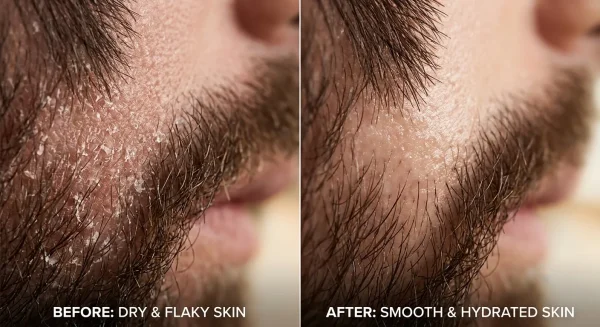
Beard itch is mostly caused by dry skin, new hairs curling as they grow, and product or sweat buildup at the root. It’s worse in the early growth stage because the skin hasn’t adjusted yet, and worse again in Australia because of how quickly the air here pulls moisture out of skin.
We’ve written a full breakdown with a 7-step fix in our guide: Why Your Beard Itches + 7 Proven Ways to Stop It Fast.
Beardruff is dead skin flaking off underneath the beard, usually caused by dryness, product buildup, or infrequent washing. A gentle beard wash two to three times a week combined with daily beard oil is normally enough to clear it up within a couple of weeks.
For the full troubleshooting table, see Common Beard Problems and How to Fix Them.
Yes — low humidity, harsh sun, and air conditioning all strip moisture from both skin and hair faster than in more temperate climates, which is a big reason beard dryness is such a commonly searched problem here. Aussie men generally need to moisturise the skin under the beard more consistently than grooming guides written for cooler, wetter climates suggest.
Our guide on common skin problems in Australian men covers this in more depth if dryness is a wider issue beyond just your beard.
Partially, yes. A widely cited University of Queensland study measured UV exposure on mannequin heads with different beard lengths and found that facial hair does block a meaningful portion of UV radiation, with thicker, longer beards offering more coverage than stubble. That said, the protection isn’t complete or reliable enough to skip sunscreen, Cancer Council notes that Australia has some of the highest UV exposure and skin cancer rates in the world, so exposed skin (including the parts of your face a beard doesn’t cover) still needs daily SPF.
Ingrown hairs happen when a curling hair re-enters the skin, usually after trimming or shaving too close, and show up as small, sometimes inflamed bumps. Gentle exfoliation once or twice a week, keeping the skin under the beard clean, and avoiding pulling the hair too tight when trimming all help prevent them. If a bump becomes painful, swollen, or doesn’t resolve within a week or two, it’s worth having a GP or dermatologist take a look rather than picking at it.
This is usually a combination of trapped sweat, oil, and dead skin that can’t fully escape through the density of the beard, especially in Australia’s heat and humidity. Washing regularly with a dedicated face and beard wash rather than a heavy body soap, and avoiding touching your beard throughout the day, both make a noticeable difference.
Two to three times a week is the sweet spot for most men — daily washing with a harsh cleanser can strip natural oils and make itch and dryness worse, while going too long lets sweat, dirt, and food residue build up. If you work outdoors or sweat heavily, you can wash more often, but switch to a gentle, sulphate-free formula if you do.
You can, but it’s not ideal — most head shampoos are formulated to cut through scalp oil and contain sulphates that are too harsh for the finer, more exposed skin on your face. A dedicated, sulphate-free beard wash cleans just as effectively without leaving the skin underneath tight, dry, or itchy afterward.
A wide-toothed comb is generally better for detangling and training beard hair to grow in one direction, especially for longer beards, while a boar-bristle brush is better for shorter beards and for distributing oil evenly through the hair. Many men use both — comb first to detangle, then brush to finish and style.
Beard odour usually comes from trapped sweat, food particles, and bacteria sitting close to warm skin — not from the beard itself. Washing 2–3 times weekly, drying it fully after showering (a damp beard traps odour faster), and applying a lightly scented natural oil in the morning all help keep it fresh through the day.
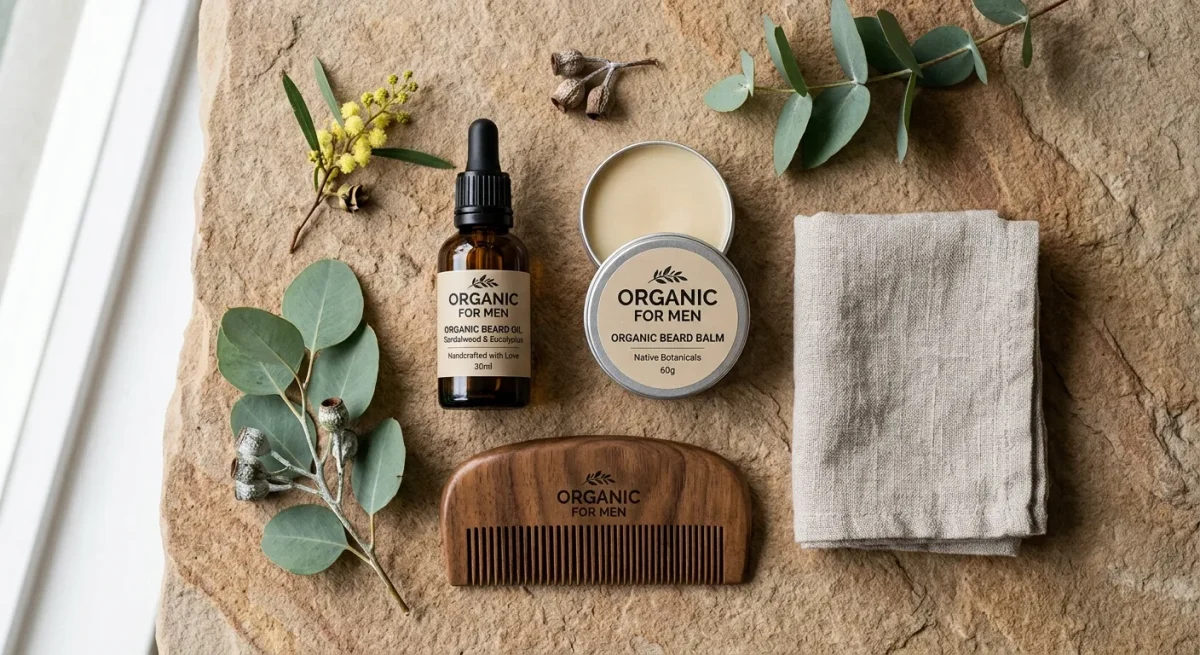
Beard oil is lightweight and absorbs quickly, making it best for daily hydration of both hair and the skin underneath. Beard balm is thicker, combining oil with butters and a small amount of wax for light hold and shaping.
The beard wax has the highest wax content and is used mainly for precise styling — like taming a moustache or controlling flyaways. For a full comparison, browse our Beard Oil vs Beard Balm vs Beard Butter comparison article.
Daily, at minimum once in the morning after washing your face, is enough for most men — the goal is consistency rather than frequency. Men with drier skin or a longer beard often benefit from a second, lighter application before bed. Focus on massaging it into the skin underneath, not just the visible hair, since that’s where dryness and itch actually start.
Yes — natural oils without synthetic preservatives typically last 6–12 months once opened, compared to longer shelf lives for heavily preserved conventional products. Store the bottle away from direct sunlight and heat (not on a steamy bathroom windowsill) to get the most out of it, and give it a quick smell-check if it’s been sitting unused for several months.
They can, but it’s usually down to the ingredients rather than beard products as a category. Synthetic fragrances, alcohol, and mineral oil are the most common irritants in conventional formulas. Certified organic, plant-based oils — like those using avocado, cedarwood, or desert lime — are formulated to minimise this risk and are generally a safer starting point if you have sensitive skin.
Organic beard oil can be a good choice for men who prefer naturally derived ingredients and want to minimize exposure to synthetic fragrances, preservatives, or petroleum-based compounds.
However, the effectiveness of any beard oil depends more on its formulation than whether it is labelled organic. High-quality organic beard oils often contain nourishing ingredients such as jojoba oil, argan oil, coconut oil, and vitamin E, which help soften facial hair and support healthy-looking skin.
When choosing a beard oil, focus on ingredient quality, skin compatibility, and hydration benefits rather than marketing claims alone.
A visible gap between the moustache and beard is usually just an uneven growth pattern rather than something you’re doing wrong, and it often fills in with more time and patience. While you wait, keeping the area slightly longer than the rest of your beard and combing hair across the gap can minimise how noticeable it is.
Keeping the overall length shorter and more uniform makes patchy areas far less noticeable than trying to grow it long and hoping it fills in unevenly. Trim with the grain, go slowly with a guard length one size longer than you think you need, and check symmetry in good lighting before committing to a shorter guard.
For the first proper shape-up — establishing clean cheek and neck lines — a barber is worth it, since those lines are hard to judge on yourself and mistakes take weeks to grow out. Once the shape is established, most men can maintain it at home with regular trims and only need a barber for a reset every couple of months.
To soften your beard naturally, focus on improving hydration and reducing damage to the hair shaft.
Some of the most effective methods include:
Many men notice improvements within a few weeks of following a consistent beard care routine. Softening a beard naturally is usually a gradual process that depends on proper hydration and ongoing maintenance rather than quick fixes.
| Problem | Most Common Cause | Quick Fix |
|---|---|---|
| Beard Itch | Dry Skin | Beard Oil |
| Beardruff | Dryness | Beard Wash + Oil |
| Patchy Beard | Genetics | Style & Patience |
| Beard Odour | Sweat Build-up | Regular Washing |
| Ingrown Hairs | Close Trimming | Exfoliation |
If you want a healthy, softer beard without overcomplicating things, follow this simple routine:
This simple routine is enough for most Australian men to reduce itchiness, prevent beardruff, improve softness, and keep their beard looking healthy year-round.
Want the full step-by-step version of this? Read our complete Beard Care Routine for Men or check out our 10 Essential Tips for a Healthy, Soft Beard.
If there’s one theme across all 24 questions, it’s this: most beard problems in Australia come back to dryness caused by our climate, and most fixes come back to a simple, consistent routine rather than more products.
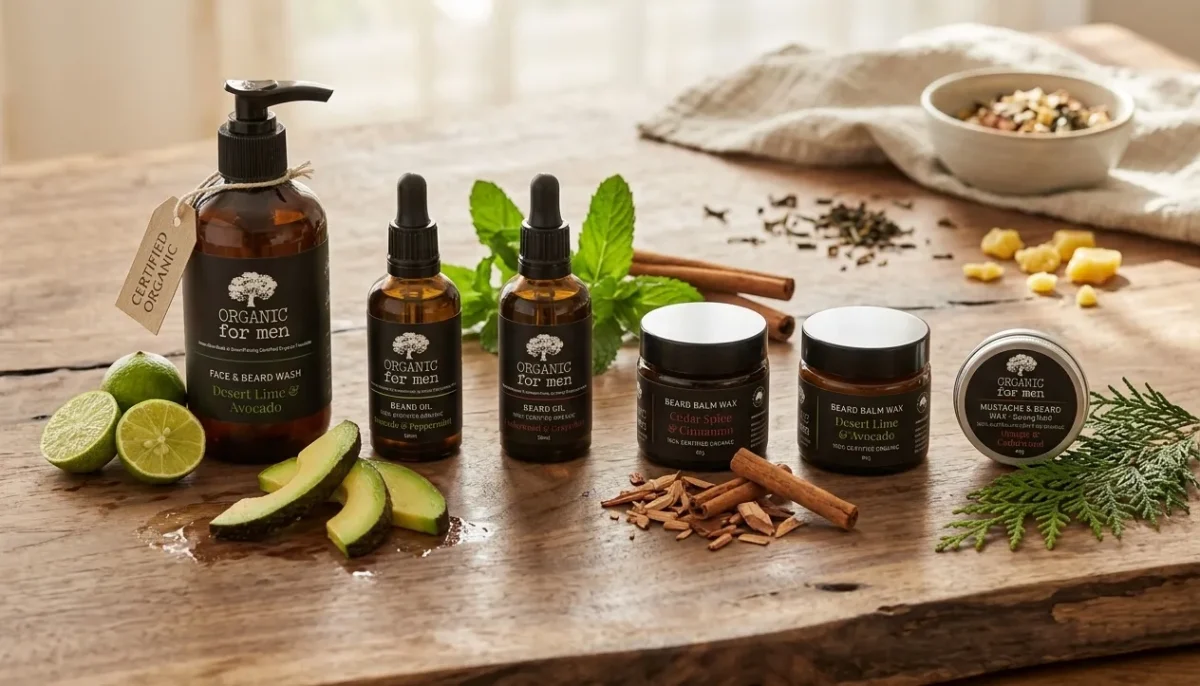
Growing and maintaining a healthy beard doesn’t require dozens of products or complicated routines. For most Australian men, consistent washing, daily hydration, and protecting skin from the harsh Australian climate are enough to prevent the most common beard problems. Focus on simple habits, stay consistent, and your beard will usually take care of the rest.
Ready to put it into practice? Explore the full organic beard care range, or try the 3-Way Beard Grooming Set for an easy way to start.